The South Pacific is widely considered among the safest destinations for Kiwi travellers, but with dengue cases rising, agents are urged to suggest clients take a little more care in the islands.
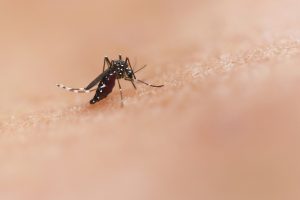
The Cooks Islands’ Te Marae Ora —Ministry of Health officially declared a dengue fever outbreak in Rarotonga last May, and following a recent dengue-related death, the country is now stepping up its precautions with Operation Namu26.
For travellers, a key change is the installation of repellent spraying stations in the international arrivals area at Rarotonga International Airport, and in the domestic departures area. The temperature screening for international arrivals has also been intensified.
Locally, the Ministry of Foreign Affairs and Trade says the Cook Islands has more than 500 cases reported since the outbreak began last May, stating that dengue transmission remains active, and case numbers continue to rise.
Samoa, Tuvalu, Nauru, Kiribati and American Samoa are also reporting increased cases.
Dr Matt Reid, public health medicine specialist for the National Public Health Service, says the outbreaks have also driven an increased number of cases in New Zealand, with 86 people contracting the disease—75 of them associated with travel to the Cook Islands.
“These cases have been continuing to grow week on week,” he says.
Reid adds that people over 60-years-old and children aged 10 and under are at greater risk of severe illness from dengue.
. . . Precautions
Agents should urge Pacific Island bound clients to wear light layers and repellent, especially mornings and late afternoons, with repellents containing diethyltoluamide recommended, says Reid.
Consultants are also asked to ensure clients have a comprehensive travel insurance policy in place that includes provision for medical evacuation by air, as he says hospitals are likely to be under significant pressure due to the outbreak.
Most people who get dengue will not develop symptoms, but Reid says for those who do, these can include a sudden high fever, intense headache, pain behind the eyes, muscle and joint pain, tiredness, nausea, vomiting and a fine rash, which may be itchy and usually begins on the extremities, but spares the palms and soles of the feet. See more HERE.