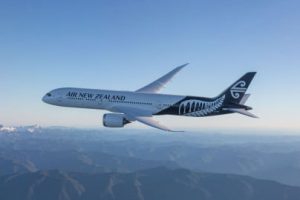
Air New Zealand is blaming a $40 million after-tax loss in the last six months on continued aircraft shortages, a slower recovery in domestic demand and rising costs, including persistently high aviation system inflation.
Costs have been further exacerbated by a weaker Kiwi dollar and the financial result is worse than signalled last year, adds the carrier. Its international performance was supported by continued strong offshore bookings, particularly in the premium cabins where revenue is up 10%.
But although record numbers of Kiwis are travelling overseas, NZ says demand for outbound long-haul travel on its planes is subdued.
Asia, Australia and Pacific Islands travel by Kiwis is described as ranging from ‘solid’ to ‘robust,’ but NZ reports weaker demand to the US.
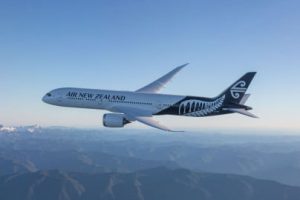
The airline is upgrading the interiors of its 777s and expects to have the first two of its next tranche of 10 Dreamliner aircraft delivered by the middle of the year.
New NZ ceo Nikhil Ravishankar says there is now a comprehensive review underway across all aspects of the business. It is aimed at returning the airline to sustained profitability through enhanced operational performance, growth and further ‘cost transformation’ initiatives.
. . . Cloudy Outlook
NZ now expects a total of four grounded Airbus neo and Boeing 787 aircraft to return to service throughout the 2026 calendar year.
While capacity will increase modestly in the second half of the financial year, as aircraft return to service and new aircraft enter the fleet, the airline cautions that improvements in aircraft availability are unlikely to translate immediately into earnings improvement.
This is because widebody capacity cannot be operationalised into the schedule at short notice. The carrier warns its second half pre-tax earnings could be worse than the $59m loss reported today.
. . . Costs Vs Fares
Non-fuel operating cost inflation of approximately $75 million for H1 was driven by higher domestic passenger levies, engineering and maintenance costs, and airport landing charges.
NZ says it is worried further increases would increase pressure on the business, and the sustainability of regional connectivity. It says it’s nonfuel costs have risen by 37% since 2019, while its domestic fares are up 32%.